If you are scheduled to undergo surgery in 2022, we recommend taking proactive measures now to optimise your health before your procedure. We call this process ‘prehabilitation’ and while it may be less familiar than rehabilitation (which is the recovery process after surgery), it is no less important.
What is prehabilitation?
Prehabilitation means taking steps to optimise your health and wellbeing before surgery to increase the chances of having a good outcome. We recognise it can be frustrating if you are having to wait for a surgical procedure, particularly if you are in pain, however, rehabilitation can be very empowering as it means you are playing an active role in your own health. With patients waiting longer for surgery right now, it is advisable to optimise your health in whatever ways you can beforehand.

Why is this important?
A good prehabilitation regime can help to reduce pain while you are waiting and may support you to recover quicker and reduce the risk of complications. Over the coming year, much of the focus in the NHS is likely to be about reducing the backlog that has developed during Covid-19. Supporting yourself through prehabilitation not only improves your own chances of good outcomes but also helps to reduce pressure on the health system as it may mean a shorter hospital stay and less chance of complications or revision surgery. According to The Arthritis Foundation, 50% of outcome success is due to the surgeon and 50% is due to the patient’s commitment to recovery, so making a commitment to your recovery even before you go for surgery is a positive step you can take for yourself.

How to optimise your health before surgery
There are different ways that we recommend to our patients to prepare for surgery. Your orthopaedic surgeon will discuss your individual circumstances and recommend a personalised prehabilitation plan, which may include the following:
- Exercise
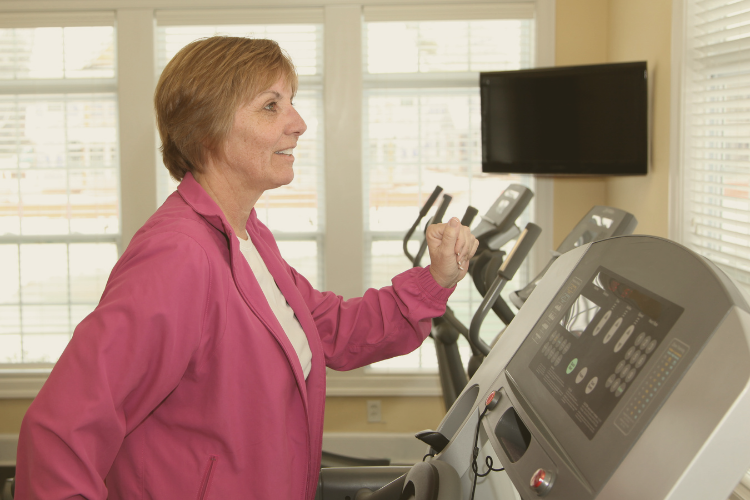
If you have a degenerative condition like osteoarthritis, exercise is beneficial as it helps to improve the strength and flexibility and may help to lubricate the affected joints, reducing pain and stiffness. Exercise also supports your overall fitness and wellbeing, including mental wellbeing as degenerative conditions can have a significant impact on quality of life. Building strength and flexibility before surgery may help you to make a faster recovery and return to normal activities sooner. Exercising improves blood flow which can help to reduce the risk of infection and other surgical complications.
A physiotherapist can help to devise an exercise regime for your particular condition and level of fitness. Ideally, you should aim to start a minimum of six weeks before surgery, but preferably longer. During the pre-surgical period you may also be invited to meet an occupational therapist who can discuss how you’ll manage at home after your surgery and may recommend aids and appliances to assist you.
- Eating a healthy diet
Eating a healthy diet is important at any time but particularly if you are due to undergo surgery, as good nutrition supports your body to heal. You may be referred to a dietician for individual advice and support but, in general, it is good to eat plenty of fresh fruit and vegetables, healthy wholegrains, proteins and carbohydrates. Limit your intake of alcohol and sugar and avoid processed meat and too much red meat.
A recent study in The Journal of Arthroplasty, conducted by researchers from the Complex Joint Reconstruction Center Hospital for Special Surgery in New York found a link between malnutrition and poorer outcomes following joint replacement surgery. Albumin – a protein made by your liver – carries vitamins, enzymes and hormones throughout your body. Research studies have found a link between low albumin levels and an increased chance of complications, including wound infections and extended hospital stays.
- Taking supplements
Taking certain types of supplements alongside a healthy diet may help to support a good recovery from surgery. Vitamin C and zinc can help to maintain an efficient immune system to fight infection and vitamin D is important for healthy bones and the absorption of calcium. Vitamin E also supports wound healing but should be stopped for at least two weeks before surgery as it increases the risk of bleeding.
- Covid measures
There are enhanced measures in place to keep patients safe during the Covid-19 pandemic, including testing all patients coming into hospital, minimising visitors to the hospital and ensuring everyone is using the correct personal protective equipment. Your surgeon will advise you on the correct protocol before your surgery.
If you are waiting for shoulder or elbow surgery, contact us for advice about the best ways to optimise your health beforehand to support a good recovery.
Orthopaedic Consultant & Surgeon | London
Thames Shoulder & Elbow are able to provide advice and support to anyone experiencing symptoms affecting the upper limbs (shoulder, upper arm, elbow, forearm and wrist).
Telephone: 020 376 15987
Email: admin@thamesshoulderandelbow.co.uk
Our Locations
Hospital of St John and St Elizabeth, St John’s Wood – Directions
BMI The Syon Clinic, Brentford – Directions
HCA Chiswick Medical Centre, Chiswick – Directions
West Middlesex University Hospital, Chelsea and Westminster Foundation Trust, Isleworth – Directions